Childcare benefit in 2026: who qualifies and how much you get
· 8 min read
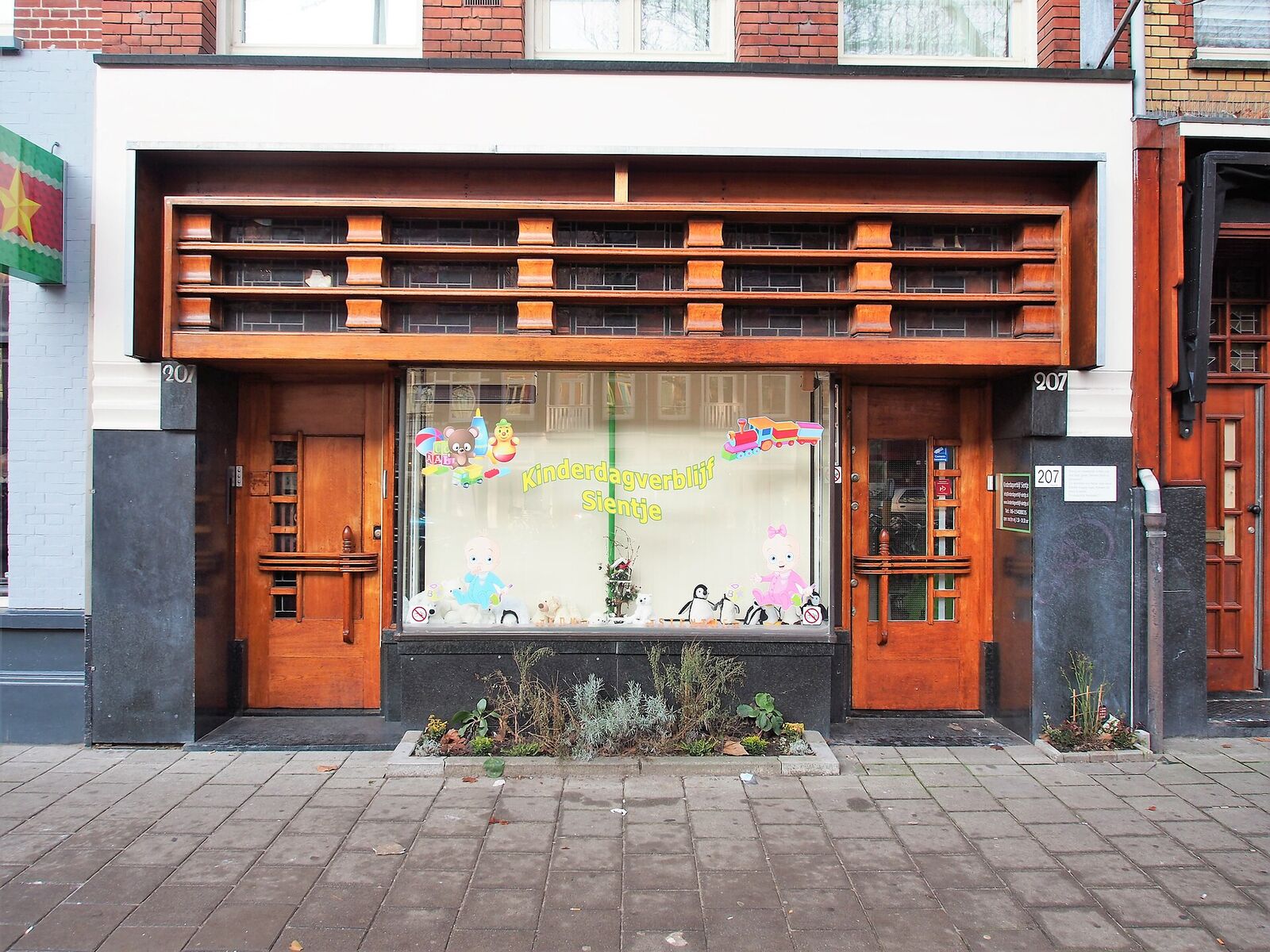
Kinderopvangtoeslag (childcare benefit) pays part of the cost of registered childcare if you work, and your partner works too. In 2026 it is based on an hourly rate of at most €11.23 for day care, €9.98 for after-school care and €8.49 for a childminder, for up to 230 hours per child per month. Depending on your combined income, you get between 36.5% and 96% of that back. Households earning up to €56,412 get 96% for every child. You apply yourself in Mijn toeslagen, at the latest within 3 months of the childcare starting. The government plans to replace the benefit with a subsidy paid directly to childcare providers from 1 January 2029.
Who qualifies
All of these must be true:
- You work, and so does your partner. Work means earning money you pay tax on: employed, self-employed, freelance, agency or on-call work. Part-time counts. Volunteering and informal care don't. If one of you doesn't work but is studying, following an inburgering (civic integration) course or a route back to work, you may still qualify.
- The childcare is registered. The municipality checks childcare for quality and safety. Approved childcare is listed in the Landelijk Register Kinderopvang (LRK, the national childcare register) and has an LRK number. Without it you can't apply. This covers day care centres, buitenschoolse opvang (bso, after-school care), preschool playgroups and childminders registered through an agency. Care during the school lunch break doesn't count, even when a registered provider arranges it.
- You have a contract with the childcare centre or childminder agency, showing the child, the hourly rate, the hours, the start date and the type of care.
- You and the child live at the same address and are registered there with the municipality.
- You pay part of the cost yourself, and you can show with bank statements that you paid on time. If a childminder looks after your child for free, you get nothing.
- You give your BSN (citizen service number), your partner's and your child's to the childcare provider.
If you are not Dutch
You and your partner must both be in the Netherlands lawfully. If you are both EU, EEA or Swiss nationals, a valid residence status is enough, and the municipality passes it on. If either of you has another nationality, that person needs a valid residence permit that gives the right to benefits.
There are exceptions for a partner who is waiting for a decision on a permit application, or who is appealing a refusal and allowed to stay in the Netherlands in the meantime. The Belastingdienst's tip: if a permit is about to expire, apply to renew it in good time so you don't lose the benefit.
How much you get
The calculation has three parts: the hourly rate, the hours and the percentage.
The hourly rate. You get benefit on what you pay per hour, up to a maximum. If your childcare costs more, the extra doesn't count.
| Type of care | 2025 | 2026 | 2027 (provisional) |
|---|---|---|---|
| Day care at a childcare centre | €10.71 | €11.23 | €11.60 |
| After-school care at a centre | €9.52 | €9.98 | €10.31 |
| Childminder (day care or after-school) | €8.10 | €8.49 | €8.77 |
The hours. Up to 230 hours per child per month, and no more than the hours in your contract. Over a year, the maximum is 230 hours times the number of months you worked. If you both work, the months of the partner who worked least count.
The percentage. This depends on your toetsingsinkomen (assessment income, the income figure used for benefits), added to your partner's. The first child is the one with the most childcare hours. Every other child gets a higher percentage. The full 2026 table has dozens of income bands; these are a few points from it:
| Combined income, 2026 | First child | Second and further children |
|---|---|---|
| Up to €56,412 | 96.0% | 96.0% |
| €59,958 to €61,895 | 93.9% | 95.6% |
| €88,492 to €92,291 | 78.9% | 92.2% |
| €118,964 to €122,857 | 60.6% | 87.9% |
| €165,658 to €169,547 | 36.5% | 81.4% |
| €235,698 and above | 36.5% | 68.2% |
For the first child, the percentage bottoms out at 36.5% from €165,658. For further children it keeps falling slowly, to 68.2% at the top.
A worked example
Say you and your partner earn €90,000 together and have one child at a day care centre for 100 hours a month, at €12.00 an hour.
- The hourly rate counts up to the maximum: €11.23.
- Childcare costs for the benefit: 100 × €11.23 = €1,123 a month.
- At €90,000 the percentage for a first child is 78.9%.
- Benefit: 78.9% of €1,123 = about €886 a month.
The actual bill is 100 × €12.00 = €1,200, so you pay about €314 a month yourself.
Applying, and keeping it right
The benefit isn't automatic. You apply in Mijn toeslagen, the benefits portal on the Belastingdienst website, with DigiD. You need the contract or an invoice: the provider's name and address, its LRK number, the hours per month and the hourly rate. You also need an estimate of your own and your partner's income for the year.
- Apply as soon as you have signed the contract. Your child must already be born and have a BSN.
- Apply within 3 months of the childcare starting. If you apply later, you lose money.
- For a second child, you don't apply again; you report a change.
You usually get a letter within 5 weeks. The benefit is paid monthly, in advance. The payment on 20 October 2026, for example, is for November.
Changes to report
The benefit is based on estimates, so it is only as good as the figures you give. Report changes in Mijn toeslagen or the app:
- More or fewer childcare hours, including temporary changes such as extra hours in the school holidays: as soon as possible, and at the latest within 4 weeks.
- A change in income: as soon as possible. The Belastingdienst's own advice is to estimate on the high side rather than too low. If your income turns out lower, you are paid the difference afterwards. Too low, and you pay back.
- Losing your job, a new partner, a separation, a move abroad: each has its own rules on the Belastingdienst website. Check them when it happens.
Only after the year ends does the Belastingdienst make a final calculation of what you were entitled to. Keeping your hours and income up to date during the year is how you avoid a repayment.
What is changing
In 2027 the percentages go up again. The cabinet's plan, sent to parliament on Prinsjesdag 2026, is that working parents with a combined income of up to about €72,000 get the maximum percentage in 2027. The hourly rates above for 2027 are provisional.
From 1 January 2029 the government plans to abolish childcare benefit altogether. Instead, it would pay an income-independent subsidy directly to childcare organisations and childminder agencies. Working parents would pay only a limited contribution of their own. Every working parent would be entitled to the same 95.6% of the maximum hourly rate. Eligibility would be checked in advance, and there would be no more repayments.
This is not law yet. On 21 September 2026 the minister sent the bill to the Raad van State (Council of State) for advice. It is expected to go to the Tweede Kamer in the autumn of 2026, and both chambers still have to approve it. Until then, the current rules apply.
Where to go from here
Childcare benefit depends on your income for the whole year, so a pay rise, a bonus or a change of job can change what you are entitled to. If your income is hard to estimate, you can request tax advice from an adviser who works in English. If you are just arriving, moving to the Netherlands covers the registrations you need first, and the net salary calculator helps with your income estimate.
Sources
- Dienst Toeslagen: Can I get childcare benefit? The conditions
- Dienst Toeslagen: Which childcare qualifies?
- Dienst Toeslagen: I am not Dutch, can I get childcare benefit?
- Dienst Toeslagen: Maximum hourly rates for childcare benefit
- Dienst Toeslagen: Calculating childcare benefit 2026 (PDF, with the full table)
- Rijksoverheid: Childcare benefit amounts 2026
- Dienst Toeslagen: How do I apply for childcare benefit?
- Dienst Toeslagen: Childcare benefit overview and payment dates
- Dienst Toeslagen: My child goes to childcare more or less
- Dienst Toeslagen: My income changes
- Rijksoverheid: Cabinet takes important step towards new childcare funding system (21 September 2026)
- Rijksoverheid: Cabinet plans for new childcare funding
Figures checked against the sources above on 23 September 2026.

Questions
Can I get childcare benefit if my partner doesn't work?
Usually not, because both partners must work. There are exceptions: if your partner is studying, following a civic integration course or a route back to work, you may still qualify. The Belastingdienst lists these situations on its childcare benefit pages.
My partner is waiting for a residence permit. Can we apply?
Yes, in some cases. You can still get the benefit if your partner is waiting for a decision on a permit application, or is appealing a refusal and allowed to stay in the Netherlands meanwhile. You yourself must meet the residence conditions.
Will childcare be free from 2027?
No. In 2027 the percentages rise, with the maximum planned for combined incomes up to about €72,000. The plan to replace the benefit with a subsidy paid to providers, at 95.6% for all working parents, is for 1 January 2029 and is not law yet.