Moving to the Netherlands checklist: your first 30 days
· 8 min read
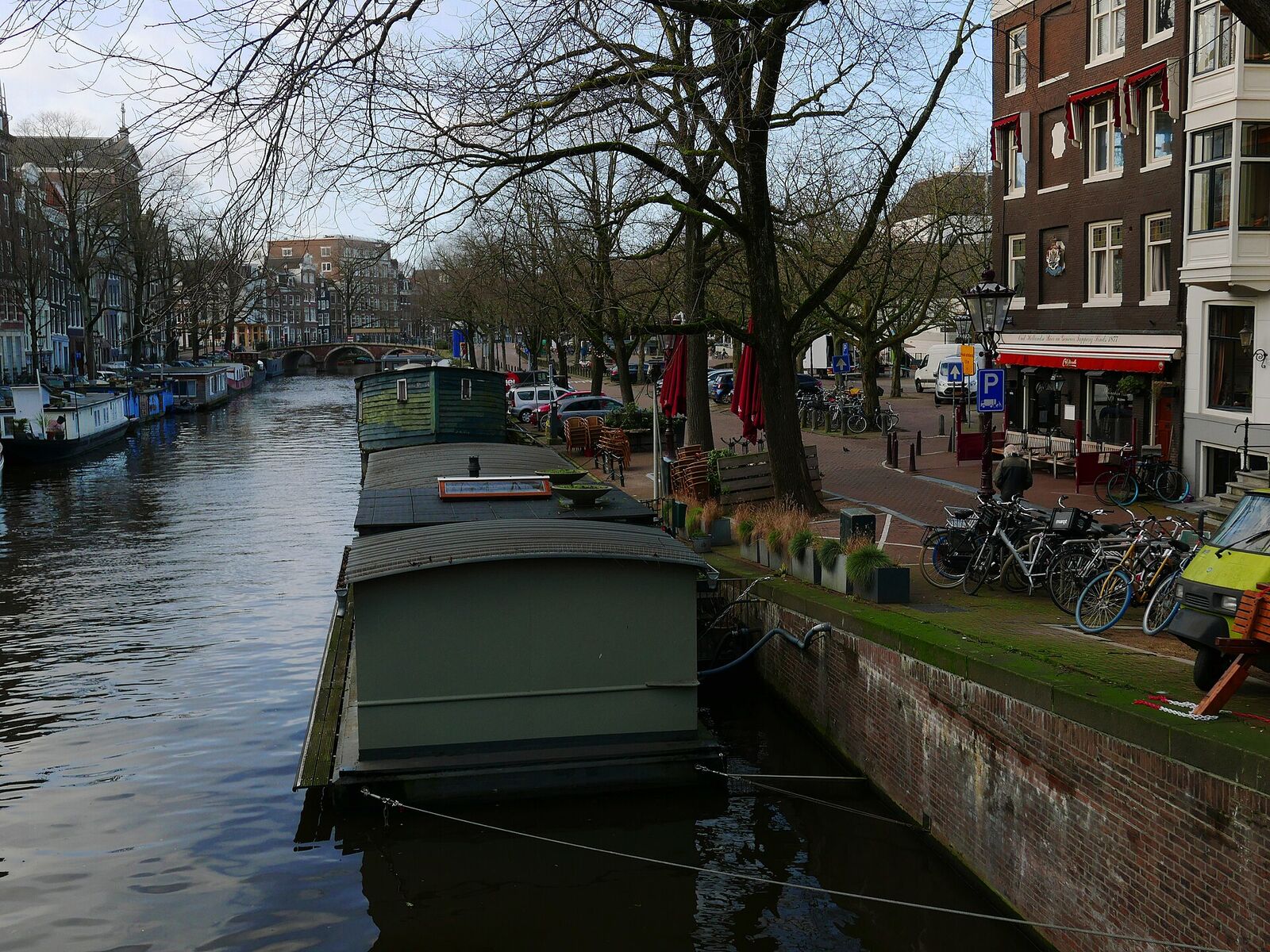
The first item on any moving to the Netherlands checklist is registering with your municipality: if you will live here for more than four months, you must do it within five days of arriving, and it gives you your burgerservicenummer (BSN, citizen service number). Almost everything else depends on that number. After it come DigiD, health insurance within four months of arriving, and, if your employer is applying for the 30% ruling, an application within four months of your first working day.
Your moving to the Netherlands checklist at a glance
| Task | Deadline or timing | Where |
|---|---|---|
| Register in the BRP and receive your BSN | Within 5 days of arrival, if staying more than 4 months | Your municipality |
| Apply for DigiD | Once you have a BSN; the activation letter arrives within 5 working days | digid.nl |
| Take out basic health insurance | Within 4 months of arrival, with cover from the day you arrived | A Dutch insurer of your choice |
| Apply for the 30% ruling | Within 4 months of your first working day, for it to apply from that day | Your employer and you, with the Belastingdienst |
| Apply for zorgtoeslag, if your income qualifies | Once you are registered and insured | Mijn toeslagen |
| Get a Dutch driving licence | Non-EU licence: within 185 days of coming to live here | Your municipality, under the RDW's rules |
| Import household goods from outside the EU duty-free | Within 12 months of taking up residence | Your removal company, with Customs |
Days 1 to 5: register and get your BSN
You register at the municipality where you will live, in person, by appointment. The municipality records you in the Basisregistratie Personen (BRP, the Personal Records Database) and you receive a BSN. Registration is free. Your partner and children come with you to the appointment.
Bring a valid passport or ID card, proof that you live at the address (such as your signed rental contract), and original birth and marriage certificates if they were issued abroad, legalised or with an apostille where required. If you are not an EU, EEA or Swiss national, you also need your residence permit, or proof of a pending application. Large municipalities say registration is usually processed within four weeks, and the BSN arrives by post.
Staying four months or less? You can't register as a resident, but you can register as a non-resident (RNI) and still get a BSN. Our BSN and municipality registration guide covers both routes in detail.
Week 1 to 2: DigiD
DigiD is the login you use for the Belastingdienst, Mijn toeslagen, your health insurer and many other government services. To apply on digid.nl you need your BSN, the address you are registered at, and a mobile phone. The activation code comes by letter to that address within five working days, so apply as soon as your BSN arrives. More in our guide to DigiD for expats.
Your bank account
The government's own checklist simply says to contact a bank. Expect to be asked for your BSN: Rotterdam, for example, lists opening a bank account among the things you need a BSN for. Once you have an account, give the number to the Belastingdienst so tax refunds can be paid to you.
Within four months: health insurance
Everyone who lives or works in the Netherlands must take out Dutch basic health insurance, even with a policy from home. You have four months from arrival, and if you do it in time, cover starts on the day you arrived. Miss the four months and there is no backdating: you pay for any care in between yourself, and the CAK can fine you €529.74 (2026) if you still don't insure after its letter. The details, including the €385 deductible in 2026, are in our guide to Dutch health insurance for expats.
Within four months of starting work: the 30% ruling
You and your employer apply together. If the application is made within four months of your first working day, the ruling applies from that first day. If it is made later, there is no backdating. In the Belastingdienst's example, an employee who started on 1 February 2026 and applied on 15 June 2026 got the ruling from 1 July 2026. The conditions are in applying for the 30% ruling, and the 30% ruling calculator shows what it is worth.
Housing and housing registration
You need an address to register in the BRP, so housing usually comes first. Some employers arrange accommodation, and in certain cases they are obliged to. If you want social rented housing from a woningcorporatie (housing association), you must register with it before you can respond to homes, and registration costs money. Some municipalities also require a huisvestingsvergunning (housing permit) for certain homes. Rotterdam, for example, has required one in some streets since 1 December 2025. Ask your municipality before you sign.
If you are thinking of buying rather than renting, renting vs buying in Amsterdam and the buy or rent calculator are a good start.
Exchanging your driving licence
What you can do depends on where your licence was issued:
| Licence issued in | Can you drive on it here? | Exchange |
|---|---|---|
| EU, EEA or Switzerland | Yes, if it was issued before you came to live here and has not expired. The RDW says for how long: up to 5 or 15 years | Can be exchanged for a Dutch licence without a new test; sometimes a health declaration is needed |
| Any other country | For 185 days after you come to live here | Depends on the country and the licence; the RDW lists which can be exchanged. If the 30% ruling applies to you, a licence from any country can be exchanged. Otherwise, if yours can't, you take the CBR driving test |
You apply for a Dutch licence at your municipality, and you need to be registered in the BRP to do so. An international driving permit is only a translation and can't be exchanged.
Shipping your household goods
From an EU country, there is no customs declaration for your removal goods, because goods move freely within the EU. Alcohol, tobacco, pets and some other goods have their own rules, and a car can be exempted from bpm (vehicle registration tax) with a separate application.
From outside the EU, you can usually import your household effects without import duties, but only through a declaration your removal company files with Customs under a relief code. You can't file it yourself. The conditions:
- You have lived outside the EU for at least 12 consecutive months and are moving your normal residence to the EU.
- You have owned and used the goods for at least six months, and will keep using them.
- You import them within 12 months of taking up residence.
- You don't lend, pledge, rent out or transfer them within 12 months of import.
Your mover will ask for a signed inventory of the goods and your BRP registration certificate showing the date you settled here. If you don't have that yet, proof of deregistration from your old country plus, for example, your employment contract or rental contract can do. Alcohol, tobacco, commercial vehicles and non-portable professional equipment are never covered. A car or motorcycle needs its own declaration.
International movers price on volume, distance and season. On our moving page you can request up to three quotes from movers for a move to or from the Netherlands.
Where to go from here
Start with the BSN registration guide, because the rest of this list waits for that number. Then take out Dutch basic health insurance (see our health insurance page) and check whether you qualify for zorgtoeslag. If you are shipping a household, request moving quotes once you know your dates.
Sources
- Government.nl: When should I register with the Personal Records Database as a resident?
- Government.nl: What do I need to arrange if I'm moving to the Netherlands?
- Rijksoverheid: Wat moet ik regelen als ik in Nederland kom wonen?
- Gemeente Rotterdam: First registration in the Netherlands
- Gemeente Den Haag: Proof of occupancy
- DigiD: Apply for a DigiD
- Government.nl: When do I need to take out health insurance if I come to live in the Netherlands?
- CAK: I received a fine
- Belastingdienst: Handboek Loonheffingen 2026, section 19.4 (PDF)
- Belastingdienst: Immigration checklist
- Rijksoverheid: Ik zoek een huurwoning
- Rijksoverheid: Kan ik mijn buitenlandse rijbewijs omwisselen?
- Rijksoverheid: Mag ik met mijn buitenlandse rijbewijs in Nederland rijden?
- RDW: Exchanging a foreign driving licence
- Dutch Customs: Moving to the Netherlands from a non-EU country
- Dutch Customs: Moving things from an EU country
Figures checked against the sources above on 19 October 2026.

Questions
What should I do first when I move to the Netherlands?
Register with the municipality where you will live. If you are staying more than four months, you must do it within five days of arriving, and it gives you the BSN you need for DigiD, health insurance, tax and work.
Can I drive in the Netherlands with my foreign driving licence?
With an EU, EEA or Swiss licence, yes, for a period the RDW sets at up to 5 or 15 years, and you can exchange it without a test. With a licence from another country, you can drive for 185 days after you come to live here; after that you need a Dutch licence, by exchange if the RDW allows it for your licence (with the 30% ruling, a licence from any country can be exchanged), or by taking the CBR test.
Do I pay import duty on my household goods when I move to the Netherlands?
From another EU country, no customs declaration is needed. From outside the EU, you can usually import them duty-free if you lived outside the EU for at least 12 months, owned and used the goods for at least six months and import them within 12 months of settling here. Your removal company files the declaration with Customs.