Buying a house in the Netherlands, step by step
· 8 min read
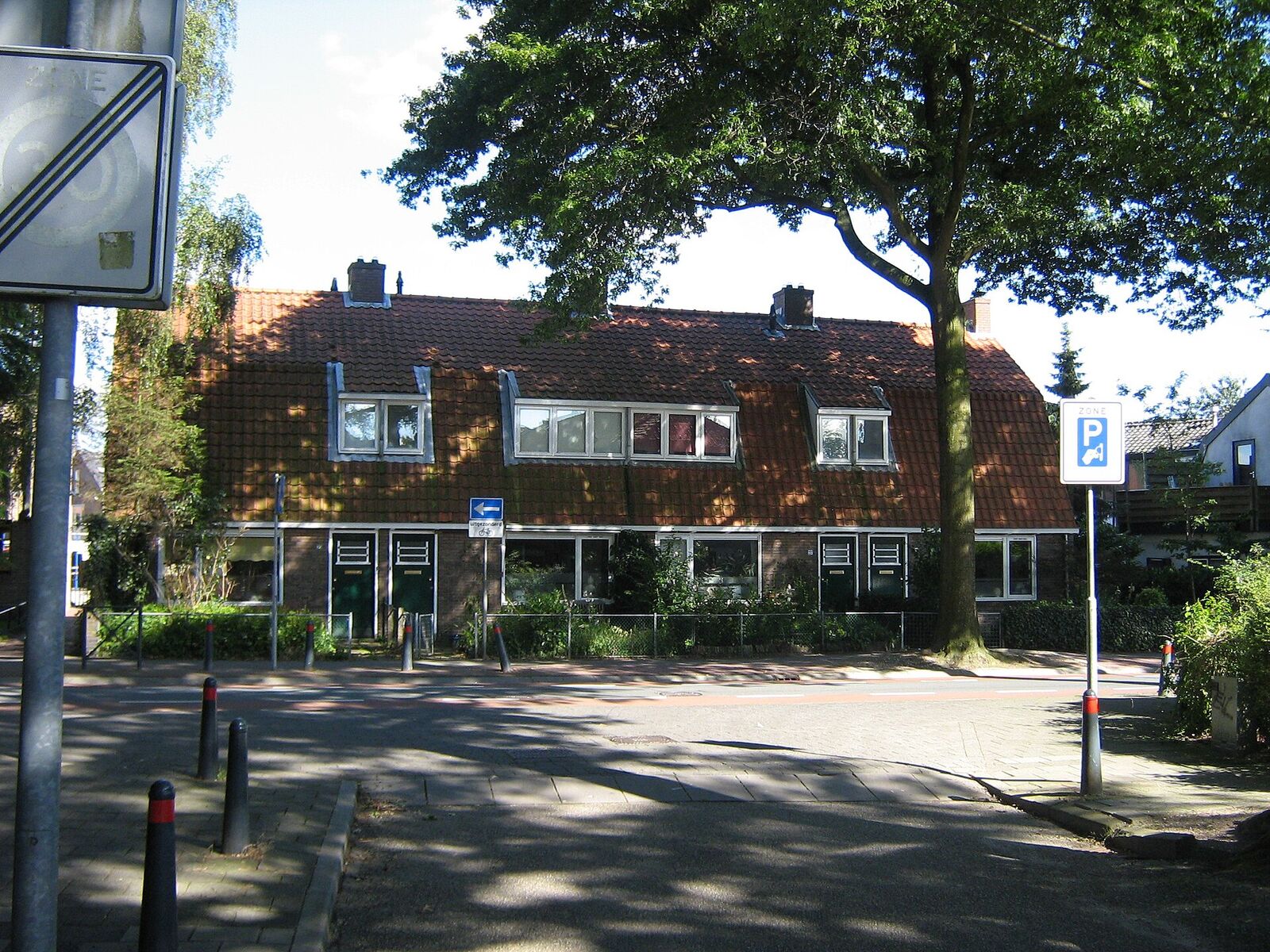
Buying a home in the Netherlands follows a fixed order. First you work out what you can borrow. Then you find a house, agree a price and sign a written purchase agreement, which gives you three days to change your mind. After that you arrange the valuation, the deposit and the mortgage offer, and finally you sign the deeds at a notary and get the keys. Most of the legal protection sits in two places: the conditions in the purchase agreement and the notary's checks at the end.
1. Work out what you can borrow
Start with the numbers, not the listings. Dutch lenders are bound by the Tijdelijke regeling hypothecair krediet (the temporary mortgage lending regulation). It caps the loan based on your income and caps it at 100% of the home's value. Because of that second limit, the costs of buying, such as transfer tax, notary and adviser fees and the valuation, generally have to come from your own savings. Our guide to the costs of buying a house goes through them.
The maximum mortgage calculator gives you a first estimate. If you are on a temporary contract or rely on the 30% ruling, read how much an expat can borrow as well, because lenders look at those situations in their own ways.
2. Talk to an adviser early
A mortgage adviser or intermediary needs a licence from the AFM, the financial conduct regulator. You can check a firm on the AFM's "Check je aanbieder" page, which shows whether it holds a licence and whether the AFM has issued a warning about it. Talking to an adviser before you bid means you know your realistic budget, and you find out early which documents a lender will ask you for.
3. Viewing and bidding
Arrange viewings through the seller's estate agent (makelaar). The Dutch government's own checklist simply says: if you are interested, ask the seller or agent how you can bid.
A price agreed on the phone is not yet a purchase. For a home bought by a private person, the Civil Code requires the purchase to be in writing (Book 7, article 2).
4. The purchase agreement
Once you and the seller agree, you both sign the koopovereenkomst (purchase agreement). People sometimes call it a "voorlopig koopcontract" (preliminary contract), but the notaries' organisation KNB is clear that everything you sign is binding. It is only "preliminary" because the house is not yet legally yours.
The agreement sets out the price, the transfer date, the conditions under which you can still pull out, and the deposit. It is often drawn up by the estate agent, but it does not have to be. You can also ask a notary to draft or check it.
A notary can register the purchase agreement in the public registers of the Kadaster (Land Registry). Under article 7:3 of the Civil Code, a registered purchase protects you against a later sale or mortgage of the same house by the seller, and against certain claims on it.
5. The three-day cooling-off period
After signing you have three days of statutory cooling-off time (bedenktijd). During those days you can cancel the purchase without giving a reason and without paying the seller anything. According to rijksoverheid.nl:
- The period starts the day after you receive the signed agreement.
- At least two of the three days must not be a Saturday, Sunday or public holiday; otherwise a day is added.
- If you receive the signed agreement on a Thursday, your cooling-off period runs from Friday 00:00 to Monday 23:59.
- You and the seller can agree a longer period, but not a shorter one.
- There is no cooling-off period for a purchase at a public auction held before a notary, and certain other cases such as a houseboat or unbuilt land.
If you use this right and then buy the same house from the same seller again within six months, you do not get a second cooling-off period.
6. Conditions in the agreement
The conditions (ontbindende voorwaarden) are what let you cancel after the cooling-off period without paying a penalty. According to the KNB, a financing condition and a building-survey condition are standard in the model purchase agreement. They can be struck out, either because the seller will not accept them or because you choose not to have them, and that has to be visibly crossed out in the agreement. Any other condition is whatever you and the seller agree and write down.
Every condition should have a deadline. The notaries' website gives one month to arrange financing as an example. Once that deadline has passed, you can no longer rely on the condition.
7. The valuation
Your lender needs the market value of the house, which is set in a valuation report (taxatierapport). You can arrange it through a valuer, your adviser or the lender. For a mortgage with NHG (the Dutch mortgage guarantee), the report must be complete and validated by an institute NHG accepts, or it must be an approved hybrid valuation. Hybrid valuations can only be used if you borrow up to 90% of the market value. Above that, a physical valuation is needed. A WOZ value or a purely model-based estimate is not accepted for NHG. Our NHG guide has more.
8. The deposit or bank guarantee
The purchase agreement usually requires a deposit (waarborgsom) or a bank guarantee of 10% of the price. You pay the deposit into the notary's client account shortly after signing, and it stays there until the transfer. If you cancel during the cooling-off period or under a condition, you get it back, or the guarantee is ended.
The deposit also covers the penalty for breach. If the transfer fails because of you, for example because you cannot pay, the seller can put you in default. The KNB says you are often then given a period, commonly eight days, to put it right. After that the seller can usually claim the penalty, which is almost always 10% of the price.
9. The mortgage offer
Once the lender has approved your application, you receive a binding mortgage offer. According to the AFM, you then have 14 days to accept it, and during that time the lender cannot withdraw the offer or change it to your disadvantage. The lender must also give you a European Standardised Information Sheet (ESIS) with the costs, so you can compare offers. Check that the offer arrives before your financing condition deadline.
10. The notary and the transfer
In the Netherlands, only a civil-law notary can transfer ownership of a house. Before the appointment the notary checks the buyer and seller, the property, the existing mortgage and any local issues. At the transfer you sign two deeds: the leveringsakte (deed of transfer) and the hypotheekakte (mortgage deed). The notary makes sure the seller and the old lender are paid at the same moment the house becomes yours, and then registers both deeds with the Kadaster.
For the tax you pay on the purchase itself, see our transfer tax guide.
11. Final inspection and keys
Rijksoverheid.nl advises you to check the house before you collect the keys. After signing at the notary you are the legal owner. Remember to register your new address with the municipality.
Where to go from here
An adviser can go through the budget with you at the start and the mortgage offer in the middle. If you would like to do that in English, you can request mortgage advice and up to three licensed advisers will contact you. If you are new to the country, moving to the Netherlands covers the paperwork around the move itself.
Sources
- Rijksoverheid: Hoeveel bedenktijd heb ik na het kopen van een woning?
- Rijksoverheid: Woning kopen, checklist
- Wetten.overheid.nl: Burgerlijk Wetboek Boek 7, article 2
- Wetten.overheid.nl: Burgerlijk Wetboek Boek 7, article 3
- Wetten.overheid.nl: Tijdelijke regeling hypothecair krediet
- KNB: Koopovereenkomst, veelgestelde vragen
- KNB (notaris.nl): Het koopcontract
- KNB (notaris.nl): Als de koop niet doorgaat
- KNB (notaris.nl): De overdracht bij de notaris
- NHG: Taxatie van een woning
- AFM: Welke rol speelt hypotheekrente? (binding offer and ESIS)
- AFM: Check je aanbieder
Figures checked against the sources above on 23 September 2026.
Photo: DennisM, Wikimedia Commons, CC0.

Questions
Is a preliminary purchase contract in the Netherlands binding?
Yes. The notaries' organisation KNB points out that everything you sign in the purchase agreement is binding straight away. It is only called preliminary because ownership passes later, at the notary. Your ways out are the three-day cooling-off period and the conditions written into the agreement.
When does the three-day cooling-off period start?
On the day after you receive the signed purchase agreement. At least two of the three days must not be a Saturday, Sunday or public holiday, otherwise a day is added. You can agree a longer period with the seller, but not a shorter one.
Do I lose my 10% deposit if my mortgage falls through?
Not if you cancel under a financing condition before its deadline; the deposit is then returned or the bank guarantee ends. If there is no such condition, or the deadline has passed, and the transfer fails because of you, the seller can usually claim the agreed penalty, which is almost always 10% of the price.