Bidding on a house in the Netherlands: how offers work
· 9 min read
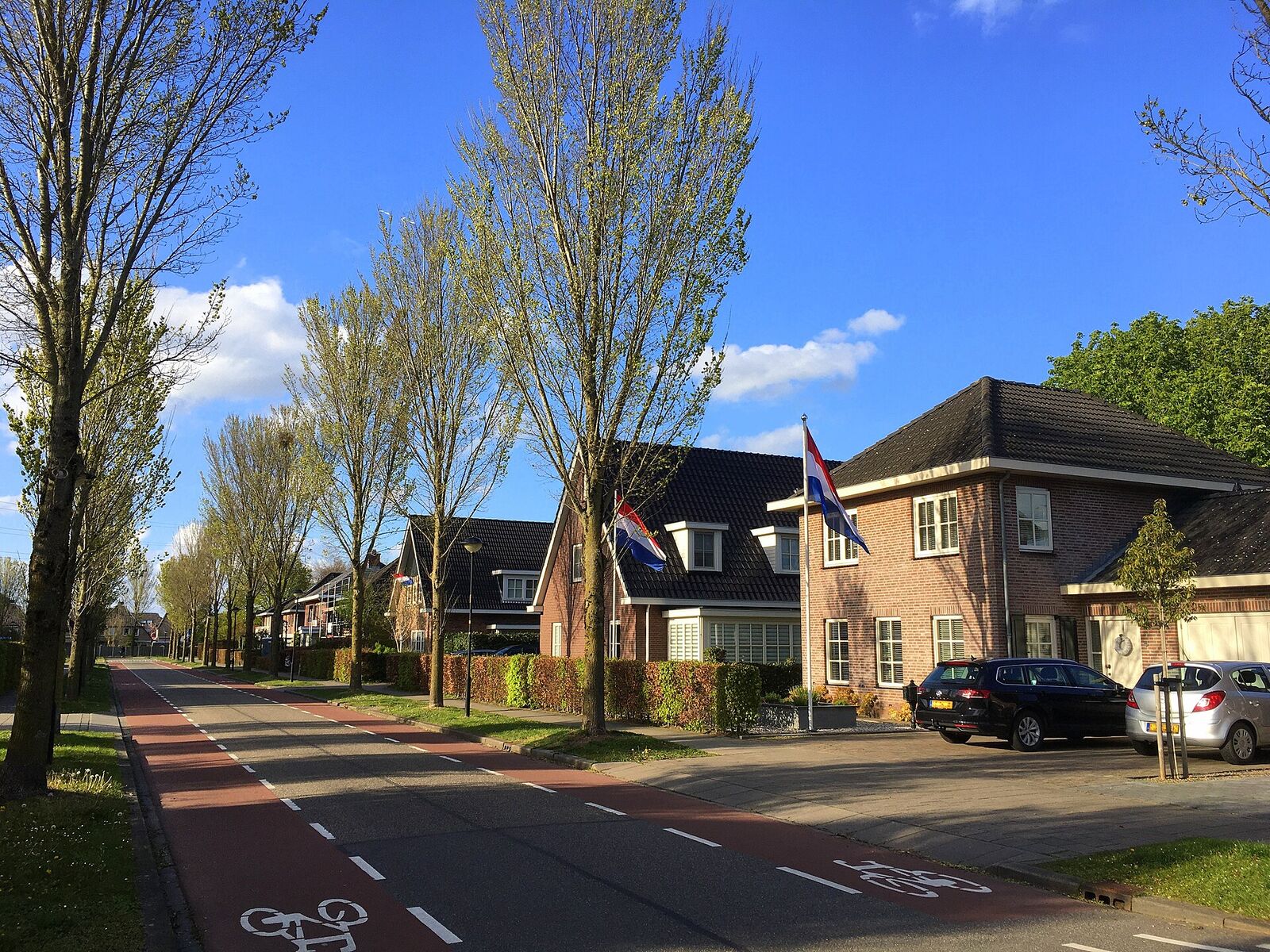
Bidding on a house in the Netherlands works like this: the asking price is where the conversation starts, you make an offer made up of a price and your conditions, and the seller chooses which offer to accept. Nothing is binding until you both sign a written purchase agreement, and after that you still have a statutory three-day cooling-off period. The conditions you put in your bid, not the price alone, decide whether you can walk away later without paying a penalty.
What the asking price means
The vraagprijs (asking price) is what the seller would like to get. It is an invitation to make an offer, not an offer you can accept. You can bid below it, at it or above it, and the seller does not have to accept any bid, even one at the asking price. The KNB (Royal Dutch Association of Civil-law Notaries) puts it simply: you make a bid, and the seller then chooses to whom they sell.
The official price statistics from CBS and the Kadaster record what homes actually sell for, not how that compares with the asking price. Across the Netherlands, the average price of an existing home sold in the second quarter of 2026 was €490,020. Figures about overbidding that you see online come from estate agents and websites, not from the government, so treat them as opinion about a particular market rather than a rule.
How bidding on a house in the Netherlands works
If you are interested in a home, ask the seller or their estate agent (makelaar) how to bid. Agents run the process in different ways, for example negotiating one bid at a time or asking everyone for a final offer by a deadline. Ask what the process is before you bid, and ask again if it changes.
A bid has two parts: the amount, and the conditions you attach. Put your conditions in the bid itself. The notaries' site notes that you should not try to add them later when the contract is drawn up, because the seller does not have to accept them then.
Do your homework first
As a buyer you have a duty to investigate (onderzoeksplicht). You are responsible for checking the condition of the home and any legal restrictions. The KNB suggests checking, among other things:
- earlier damage, leaks or recurring problems, or having a building survey done
- whether extensions, a cellar or a roof terrace had the right permits
- the energy label, which the seller must show you
- easements and other restrictions in the title deed, available from the Kadaster or a notary
- the municipality's zoning plan (omgevingsplan), soil contamination, flood risk and subsidence
- in Amsterdam and some other cities, the ground lease; see our guide to erfpacht in Amsterdam
Conditions you can put in your offer
Ontbindende voorwaarden (conditions that let you cancel) are what protect you after the cooling-off period. They only exist if they are written into the contract. The most common:
- Financing. If you cannot get the mortgage, you can cancel. The notaries' site says this condition is almost always agreed, and that the contract should state the loan amount, the maximum yearly payments, the interest rate and the type of mortgage. A common requirement is that you show a rejection from a lender.
- Building survey. If the survey turns up serious problems, you can cancel. Agree in advance what counts as a disappointing result, for example repair costs above a set amount.
- NHG. If you plan to use the national mortgage guarantee, you can make the purchase conditional on getting it. See NHG for expats.
- Housing permit. Some municipalities require a permit to buy homes under a certain price.
- Permits or VvE approval for a renovation you are planning.
- Selling your current home.
Some buyers also ask for a valuation condition, so they can cancel if the valuation comes in below the price. It is not on the notaries' list of the most common conditions, and like any condition, it only applies if it is in the contract.
Every condition needs a deadline. The notaries' site gives the example of a one-month deadline for financing, which protects the seller if you then cannot get a loan. Give notice before the deadline, in writing.
Why the valuation matters when you overbid
You can borrow at most 100% of the home's value. If the valuation is lower than the price you agreed, you pay the difference from your own money, on top of the buying costs such as transfer tax and the notary. So the real ceiling on your bid is the likely valuation plus the savings you can spare. Before you bid, the maximum mortgage calculator shows what the 2026 lending rules allow, as an illustration, not an offer, and the costs of buying calculator adds up the buying costs.
The written purchase agreement
When you buy a home to live in as a private person, the law requires the purchase agreement to be in writing. Once you have both signed, it is binding straight away. People often call it the voorlopig koopcontract (provisional purchase contract), but the KNB warns the word "provisional" is misleading: it is only provisional in the sense that the home is not yours until the transfer at the notary.
The seller's agent usually draws up the contract, but that is not required: a notary or another legal adviser can do it. In Amsterdam the purchase contract is always drawn up by a notary. Check the price, the transfer date, every condition and its deadline, the deposit and the penalty before you sign.
You can have the contract registered with the Kadaster. That protects you between signing and the transfer, for example if a creditor of the seller lays claim to the home. The transfer must then take place within six months of registration, or the protection lapses.
The three-day cooling-off period
After signing you have three days of statutory cooling-off time (bedenktijd). It starts the day after you receive the signed contract. At least two of the three days must not be a Saturday, Sunday or public holiday; otherwise an extra day is added. If you receive the contract on a Thursday, your cooling-off period runs from Friday 00:00 to Monday 23:59.
During those days you can cancel without giving a reason and without paying the seller anything. Tell the seller in writing, by email or registered letter, and copy the agent. You and the seller can agree a longer period, but not a shorter one. There is no cooling-off period at a public auction held by a notary, and none if you buy the same home from the same seller again within six months after cancelling.
The 10% deposit or bank guarantee
The contract usually asks for a deposit (waarborgsom) of 10% of the price, paid to the notary within a few weeks of signing. The notary holds it until the transfer. If you cannot or do not want to pay that much in cash, you can arrange a bank guarantee instead, usually through the bank where you apply for your mortgage.
The deposit covers the penalty. If you pull out after the cooling-off period without a valid condition, you usually owe a penalty of 10% of the price. The seller first has to give you formal written notice, usually with eight days to comply. The 10% for both is common, but you can agree a different percentage.
Seller's agent, buyer's agent and the notary
The agent selling the home is engaged by the seller. A buyer's agent (aankoopmakelaar) works for you: they can assess the price, run the negotiation and check the contract. Not everyone uses one, and fees are a fixed amount or a percentage of the price, depending on the agent. The notary is different from both: neutral, and responsible for making sure the transfer is legally sound for both parties.
The government is aware of complaints about agents, including conflicts of interest, rules changed mid-process and unclear bidding. On 1 October 2026 the housing minister announced she is working on a compulsory register for estate agents, with legal conduct standards such as equal treatment of buyers and a uniform bidding log. It is a plan, not yet law; Parliament is to get the details in early 2027.
Where to go from here
Buying a house step by step puts the bid in the context of the whole purchase, and the costs of buying a house shows what you need in savings besides any overbid. Dutch house prices by city shows what homes sell for in ten cities, from CBS. If you want your financing in order before you bid, on our mortgage advice page you can ask to be introduced to up to three mortgage advisers who work in English, named before you agree.
Sources
- Rijksoverheid: Hoeveel bedenktijd heb ik na het kopen van een woning?
- Rijksoverheid: Minister Boekholt-O'Sullivan werkt aan registerplicht makelaars (1 October 2026)
- Wetten.overheid.nl: Burgerlijk Wetboek Boek 7, article 7:2
- KNB / notaris.nl: Een woning kopen (brochure)
- KNB / notaris.nl: Ontbindende voorwaarden in het koopcontract
- KNB / notaris.nl: Koopcontract opstellen
- KNB / notaris.nl: Als de koop niet doorgaat
- CBS: Bestaande koopwoningen; verkoopprijzen, prijsindex 2020=100, regio
Figures checked against the sources above on 1 October 2026.

Questions
Is a verbal offer on a house binding in the Netherlands?
No. When a private person buys a home to live in, the law requires the purchase agreement to be in writing, and the sale only binds once you have both signed it. After signing you still have three days of cooling-off time.
How much over the asking price should I bid?
There is no rule, and the official price statistics don't track overbidding. What limits you is that you can borrow at most 100% of the home's value, so anything you bid above the valuation, plus the buying costs, comes from your savings. Work out that ceiling before you bid.
Can the seller still accept a higher offer after accepting mine?
Until you have both signed the written purchase agreement, the sale is not binding, so yes, it can happen. Once the contract is signed, it binds the seller, and registering it with the Kadaster gives you extra protection until the transfer.